After graduating from high school in 2020, I didn’t have a clear direction for the future. I chose to major in Applied Statistics at my current university, but during my freshman year, I found little interest in the coursework.
In my spare time, I spent hours playing Forza Horizon 4, a racing game, on my computer. While playing, I frequently came across videos made by gamers using the in-game "Photo Mode" to shoot cinematic footage of cars. The game’s realistic graphics and their refined editing made these short clips look nearly indistinguishable from real-life footage.
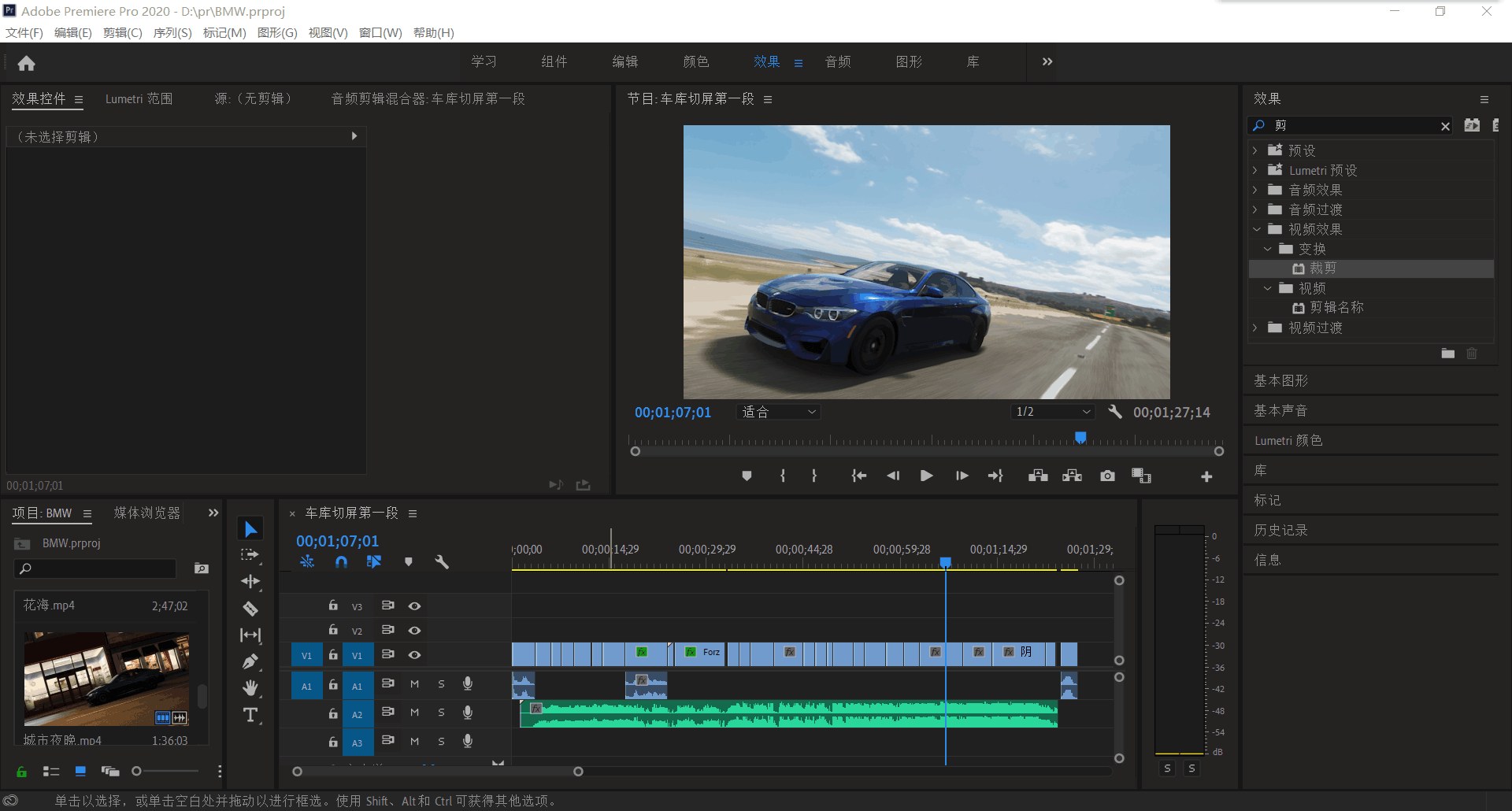
I was deeply intrigued. I began experimenting with different angles and camera movements in the game’s photo mode and tried capturing dynamic shots. Later, I started learning basic video editing software online and used it to cut together the in-game footage into complete videos. One of these videos even became my final project for a course called Mastering Social Media, and to my surprise, I earned a perfect score of 100. For the first time in college, I felt a sense of confidence in something I had created.
As I reflected on that experience, I realized how focused and fulfilled I felt while framing shots and crafting visuals. Despite the time and effort involved, I thoroughly enjoyed the process. That’s when I knew I needed to pursue a field that I was truly passionate about.
I started looking into the possibility of changing majors. I explored all the available programs and eventually came across Advertising, which included TV commercials, video ads, and short films. I knew it was the right direction. I brought this idea to my family, but they were skeptical and advised me to stick with a more “secure” or “employable” path. I remained firm. I showed them the videos I had made and explained how much I loved this work. They saw my determination and chose to support me. At the end of my first year, I successfully transferred into the Advertising program.
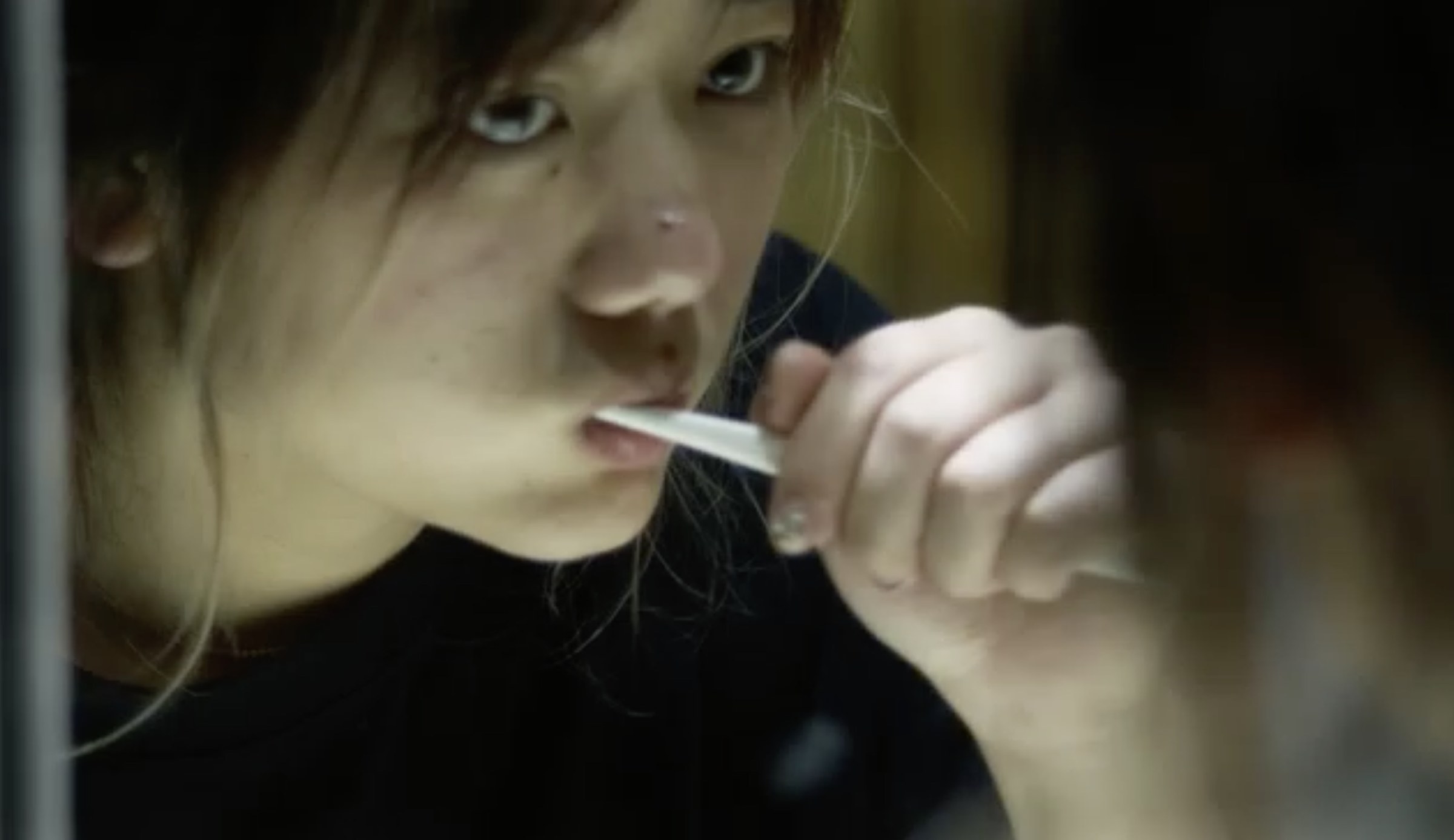
As the new semester began, I was eager to join the filmmaking world. I decided to participate in the National College Advertising Art Competition and chose to shoot a microfilm-style advertisement. At that point, I had no real knowledge of how to operate a camera. I wrote a simple script with some classmates, and we rented a guesthouse to use as a shooting location. I had no idea what aperture, shutter speed, or ISO meant—I just knew how to hit the record button. A friend helped me adjust the exposure settings, and I directed the actors while trying to find the right angles. That was the first time I truly played the role of both director and cinematographer. It was exhausting, but we completed the shoot.
Later, in the editing process, I began to understand how fragmented footage could be shaped into a coherent story using Premiere Pro. Watching my own shots on the timeline, I realized that my framing and composition had a unique style—different from what I had seen before.
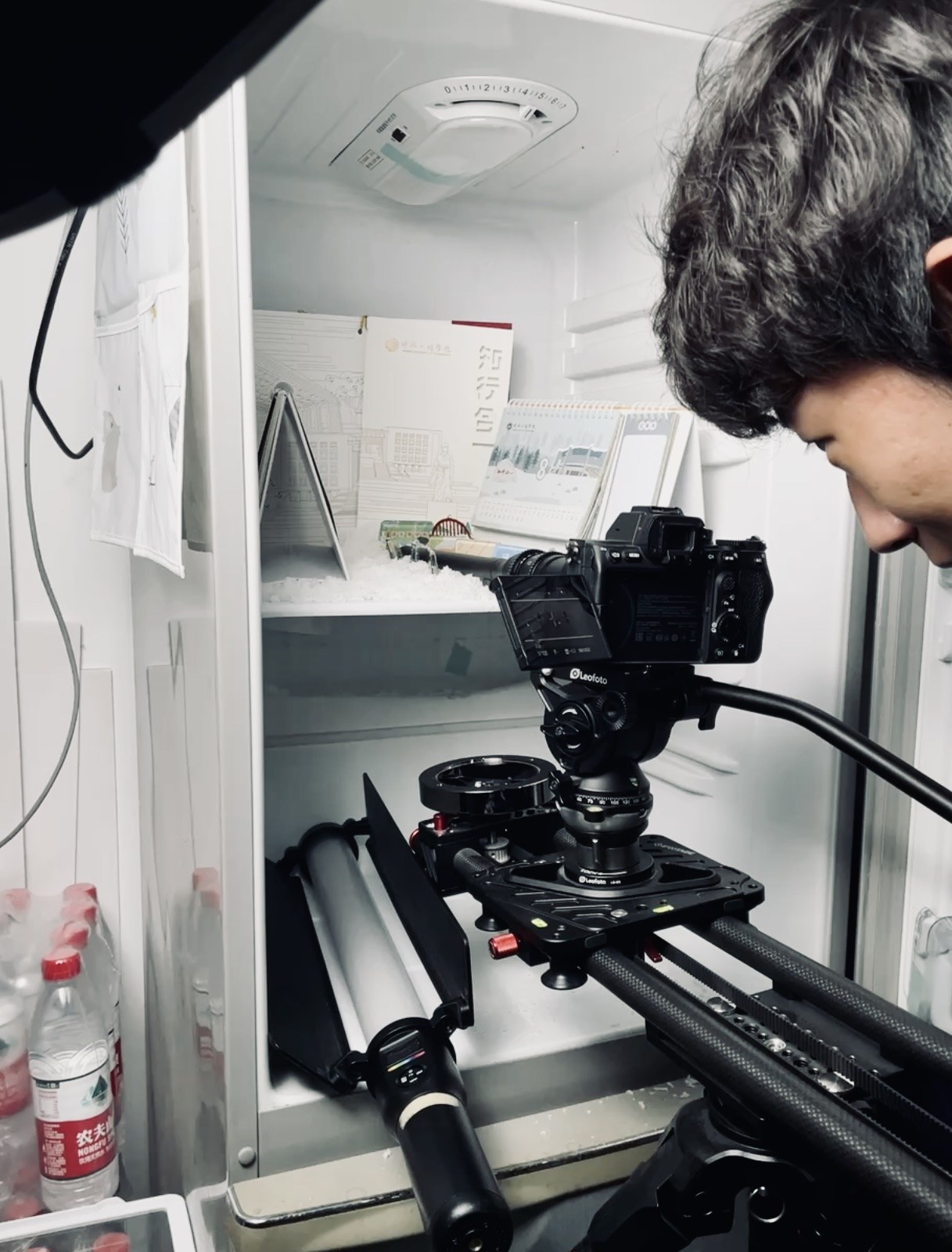
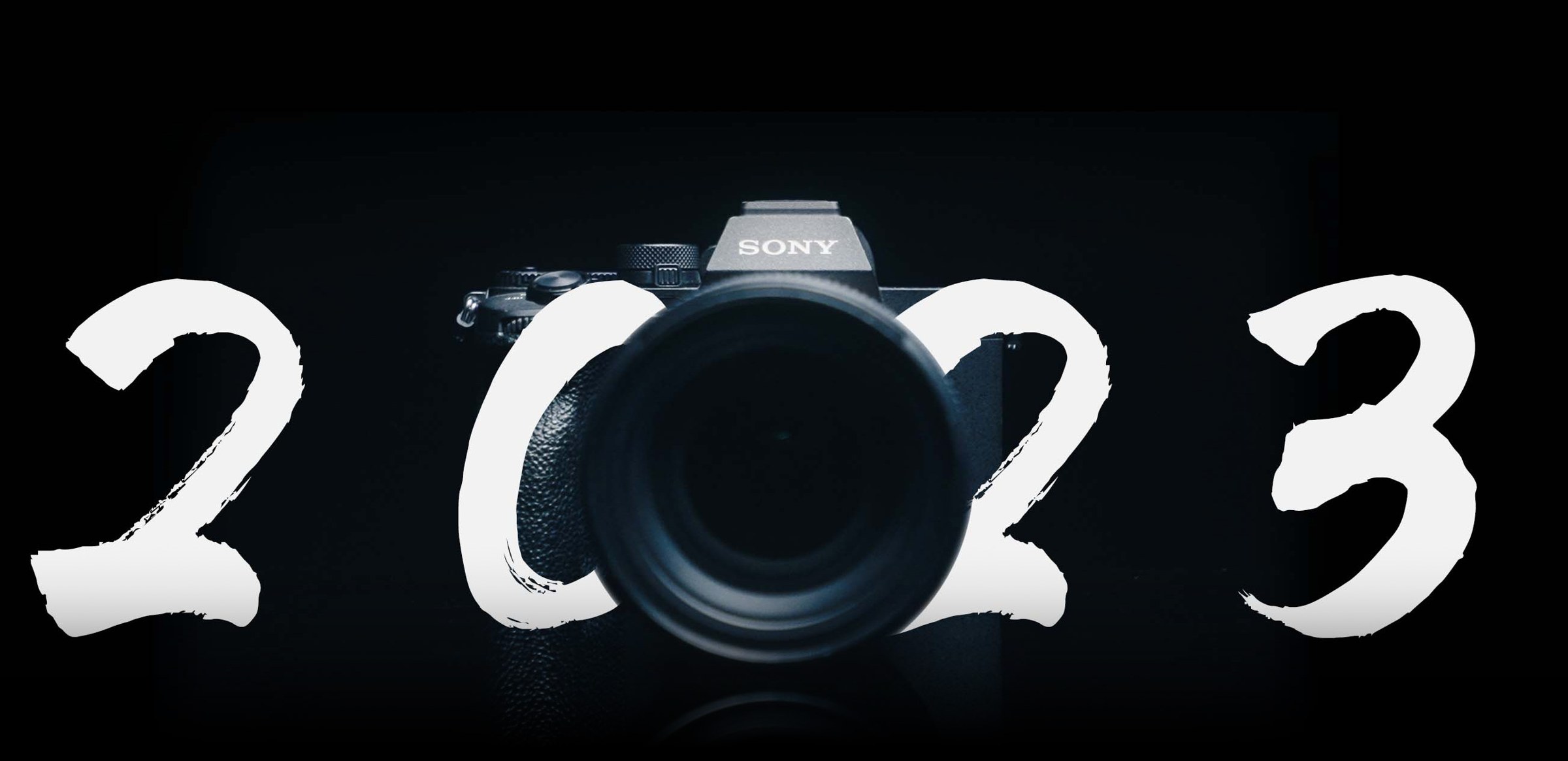
Though the film was amateurish, it caught the attention of a professor from the Media Department. I expressed my interest in film to him, and he encouraged me to join their studio, YingJiang Studio. I seized the opportunity, passed the interview, and became a member of the team. At the studio, I gained access to professional filmmaking equipment for the first time. As a newcomer, I wasn’t allowed to operate the gear at first, so I watched intently as senior members handled the cameras and lighting setups. They introduced us to fundamental concepts: how to expose video correctly on a Sony mirrorless camera, how to choose the right shots for narrative, and how to differentiate between various framing techniques.
As time went on, I gradually got the chance to shoot simple videos. The studio had a competitive system—each week, my teammate and I had to produce a short video. Only the best one would be published on our university’s official social media. I invested all my effort into every aspect: from conceptualizing ideas to operating the camera, editing footage, and experimenting with techniques. My skills started to improve rapidly, and I genuinely enjoyed the process.
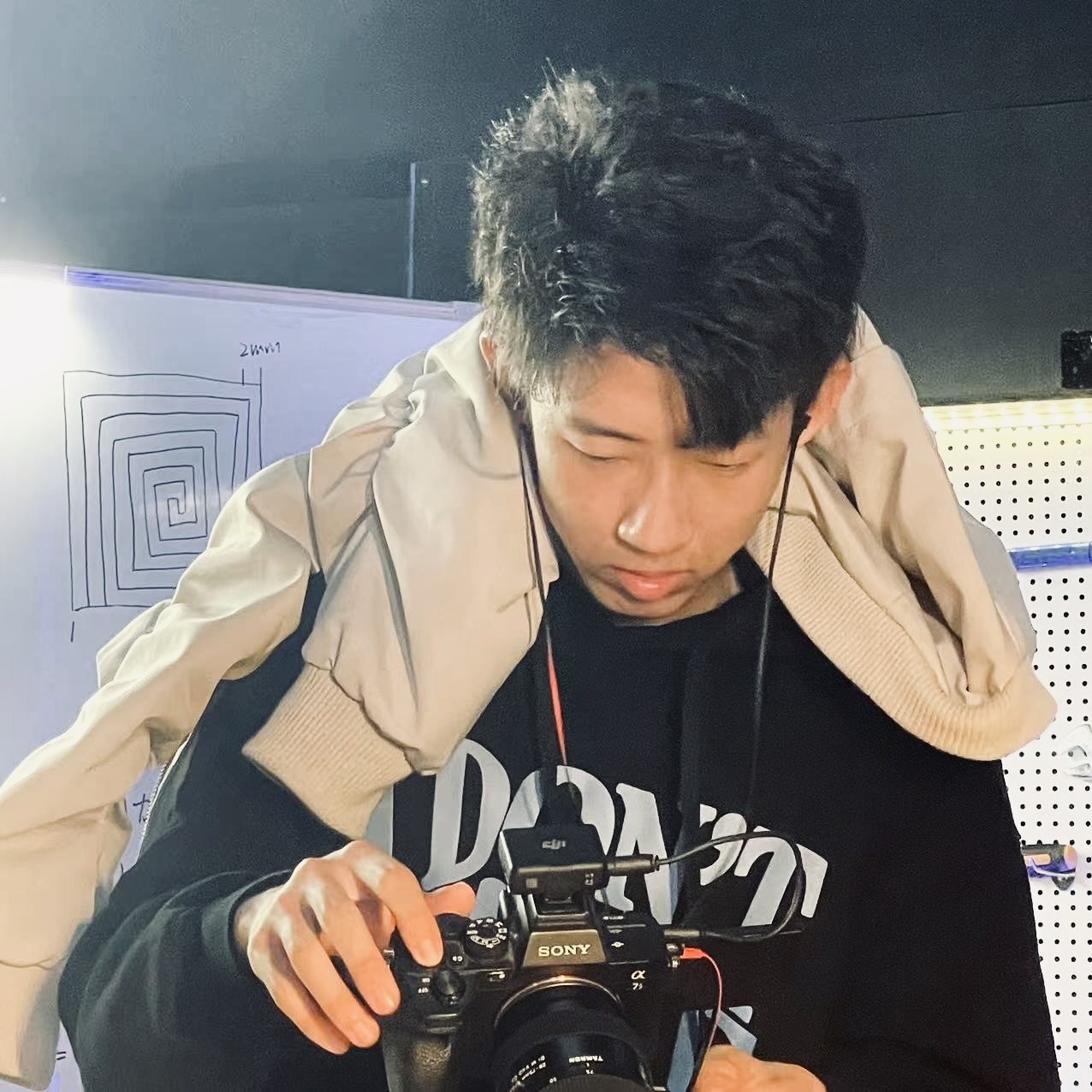
My progress was noticed by a senior, who began assigning me leadership roles in small projects. That’s when I started learning the importance of teamwork—communicating with crew members, coordinating with actors, and managing logistics. The bigger the project, the more responsibility I carried. I often felt anxious the night before a shoot, afraid of failing to meet expectations, but I pushed through every time.
In the summer of 2023, my senior graduated and left the studio. I suddenly found myself in charge. I wanted to raise the standard of our productions. I realized that despite using similar cameras, our videos lacked the polish of professional work. That’s when I discovered the importance of lighting.
Good lighting transforms everything—but I had no idea how to set it up. So that summer, I attended a week-long intensive course on Cinematography and Lighting. For the first time, I saw an ARRI cinema camera up close, and I learned about large-scale film equipment like dolly tracks, jibs, and follow-focus systems.
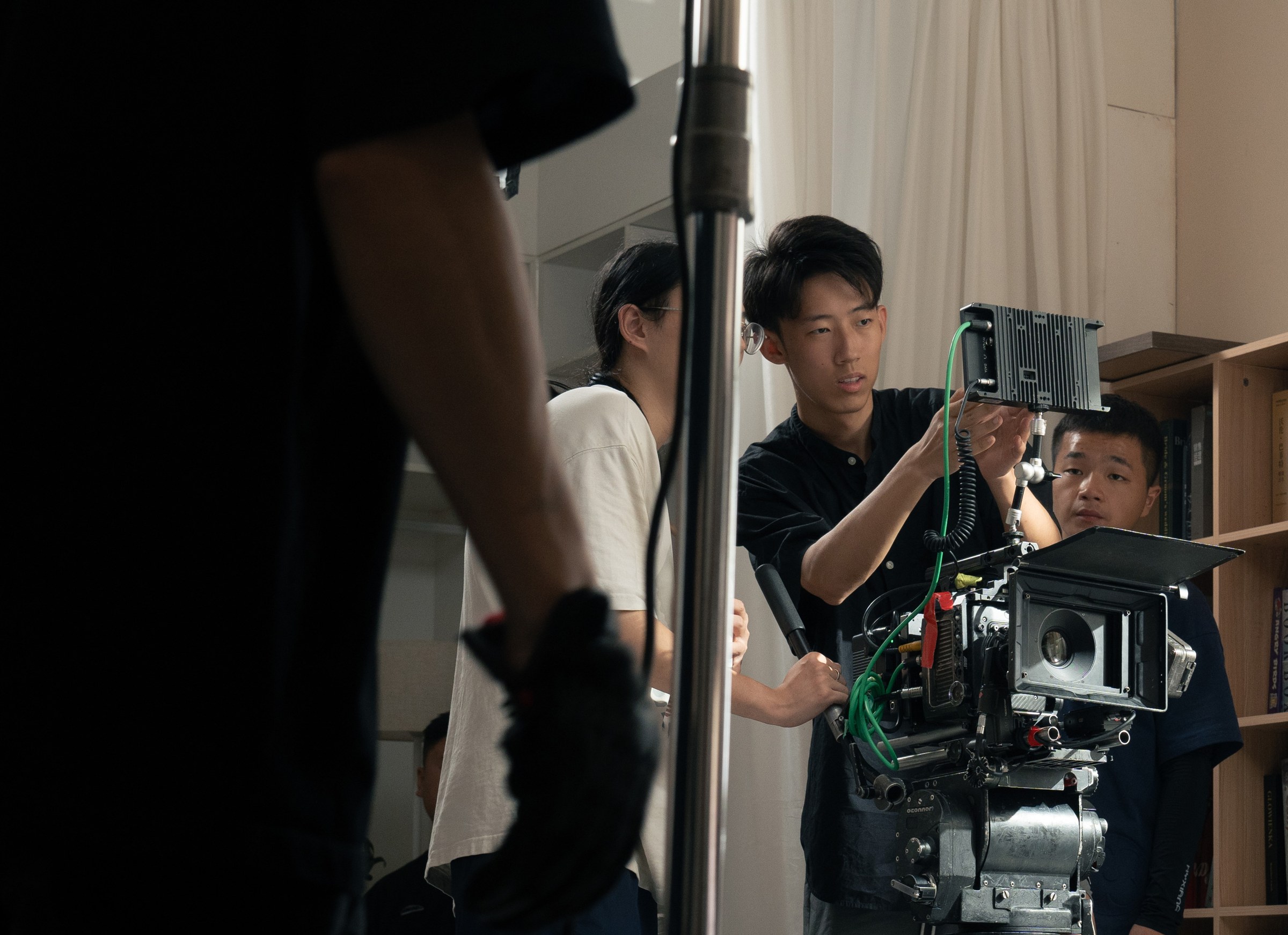
In one of the first lessons, the instructor demonstrated a basic lighting setup for a portrait. It took several lights and modifiers just to shoot a single person’s upper body. I was amazed. Later, we participated in a mock commercial shoot, using professional art direction, lighting design, camera setups, and actor blocking. That experience opened my eyes to the professional workflow of high-level productions.
After the course, I returned to campus and was immediately tasked with shooting the university’s 2023 admissions video—a major project and an important opportunity. I researched many promotional films from prestigious universities and decided to experiment with real lighting for the first time. Though the setup was simple, it introduced a noticeable improvement in visual quality. My teachers and teammates appreciated the results, and I felt encouraged to keep pushing forward.
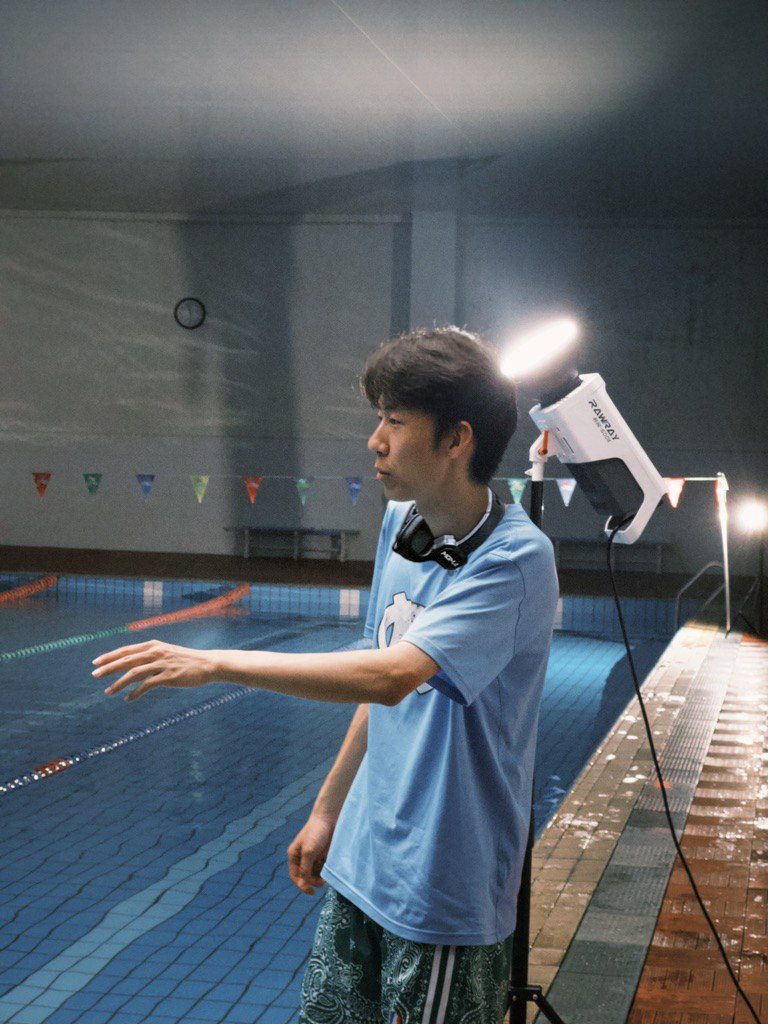
Over the next few months, I continued experimenting with different genres and styles, while participating in various filmmaking competitions. Every project offered me new lessons and inspiration. By the summer of 2024, I was busier than ever. My team and I began preparing for the 16th National Advertising Art Competition for College Students. The film we submitted was a fast-paced sports short—a genre I had never tackled before. I studied existing ads from brands like Nike and Adidas and tried to emulate their dynamic visuals. Although it was exhausting, I learned so much. After more than a month of intense production, we completed the film and won the National Second Prize.
Later that year, I interned on a few student film crews. Although I was the same age as most of the crew, they came from specialized film academies and had significantly more experience. I found myself watching from the sidelines, doing basic tasks without much responsibility. That contrast helped me understand just how far I still had to go—in terms of professional workflow, artistic aesthetics, and equipment handling.
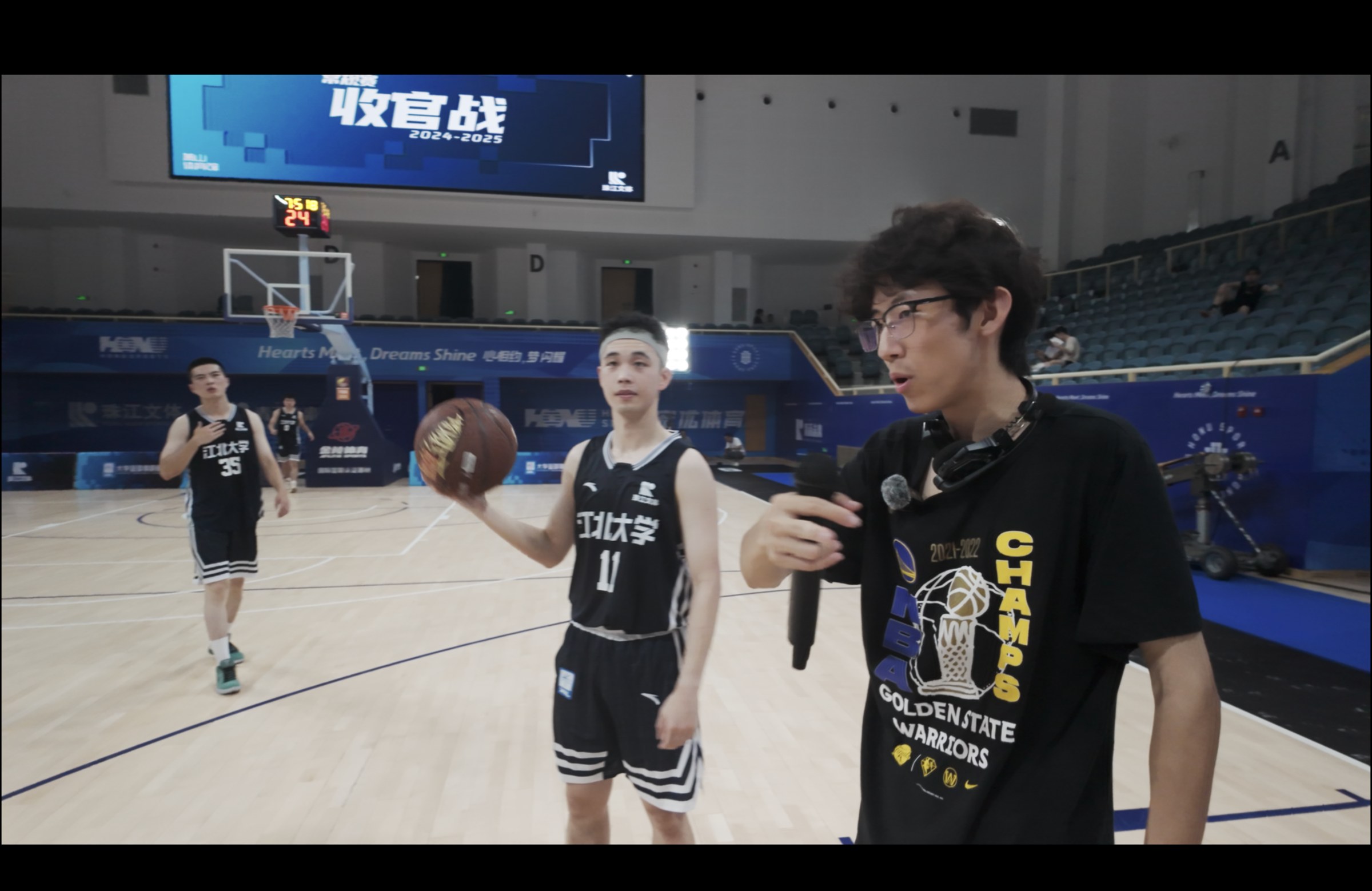
In the fall of 2024, I directed my first large-scale short film, From the Corner, a basketball-themed narrative. It was a demanding project involving numerous actors and complicated scenes. I spent nearly four months working from concept to final cut. I encountered countless challenges and faced intense pressure, but I persisted. While the final film wasn’t perfect, it demonstrated how far I’d come and was ultimately awarded “Outstanding Graduation Work” by my department.
From a struggling, uncertain freshman to someone who found passion and earned recognition—this five-year journey was filled with both setbacks and growth. But I know this is only the beginning. There’s still so much for me to learn and experience, and I’m excited for what lies ahead.
Lastly, I want to thank my Sony A7M4, my MacBook Pro, and most of all—my mother. They’ve supported me through every step of this incredible journey. Additionally, i must thank my friends, they helped me a lot during my filmmaking journey.